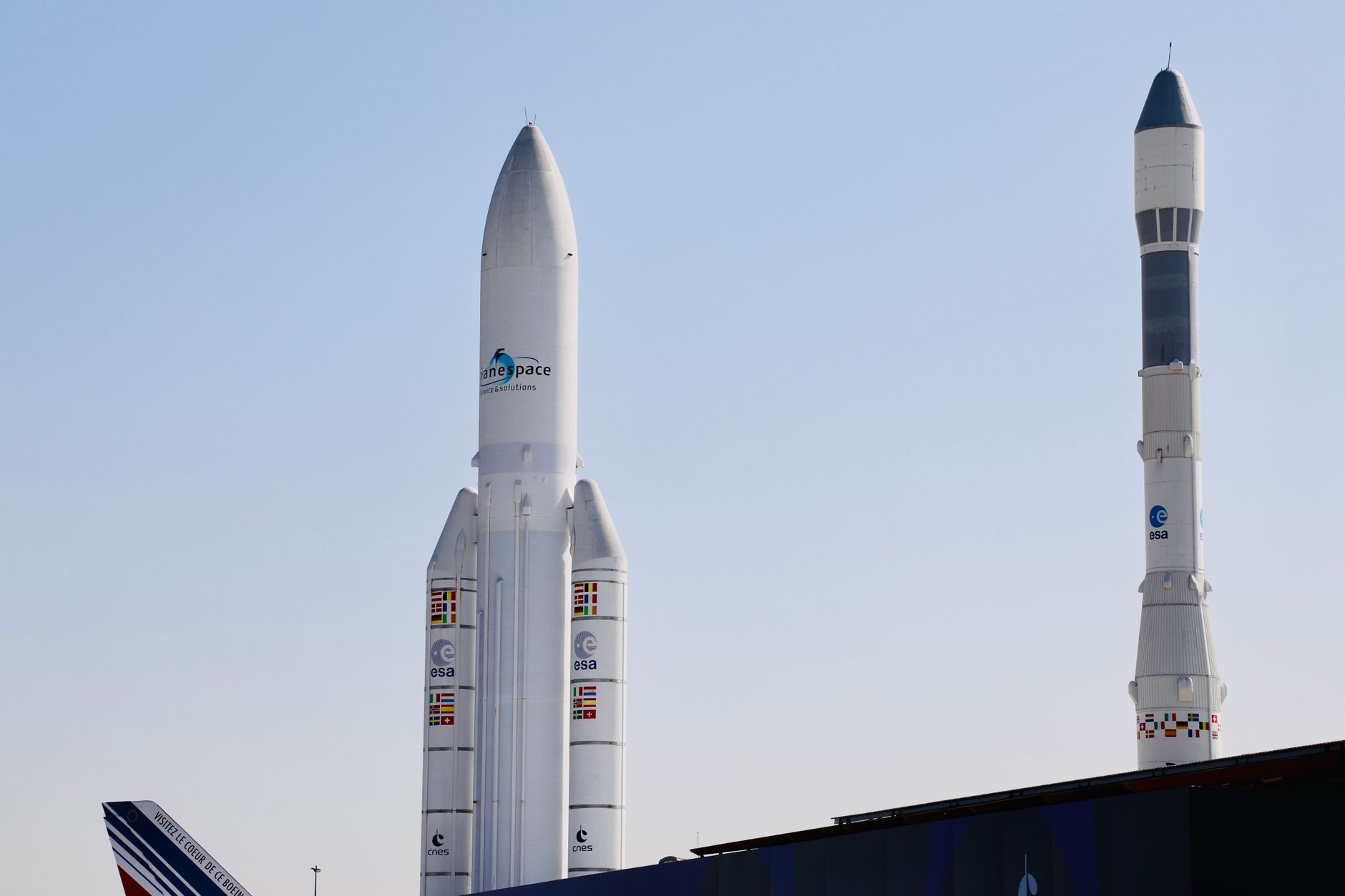
SpaceX Starship flight details are crucial for fans and enthusiasts alike. The latest prelaunch test in Texas has generated excitement about future missions and their timelines.
Overview of SpaceX Starship
SpaceX has made significant strides in its ambitious quest to develop the Starship, a fully reusable spacecraft designed for missions to Mars and beyond. The latest developments have drawn considerable attention, particularly with the recent SpaceX Starship flight prelaunch tests conducted in Texas. These tests are critical for ensuring the spacecraft’s readiness for future missions.
The Starship program aims to create a vehicle capable of carrying both crew and cargo, revolutionizing space travel. The design features a stainless-steel structure, which provides durability and resistance to the extreme conditions of space. Key features of the Starship include:
- Reusability: Designed to be reused multiple times, significantly reducing the cost of access to space.
- Propulsion: Equipped with powerful Raptor engines that utilize liquid methane and liquid oxygen as propellants.
- Capacity: Capable of carrying over 100 metric tons to low Earth orbit, making it ideal for large-scale missions.
As SpaceX continues to refine its prelaunch test plan, the focus remains on safety and efficiency to ensure that future flights, including the anticipated flight 15, meet the high standards set by the company and the space exploration community.
What is the prelaunch test?
The prelaunch test is a critical phase in the SpaceX Starship flight preparation process. It involves a series of thorough assessments designed to ensure that all systems are functioning correctly before the rocket is launched into space. These tests typically include several essential components:
- Static Fire Test: This test evaluates the rocket’s engines by igniting them while the vehicle remains anchored to the ground. It allows engineers to verify engine performance and gather vital data.
- Systems Check: Engineers conduct comprehensive checks on various systems, including software diagnostics, telemetry systems, and safety protocols, to ensure that everything operates as intended.
- Integration Testing: This involves the final assembly of the rocket components and testing their integration to confirm that they work seamlessly together.
- Environmental Tests: These tests assess how the rocket withstands various environmental conditions, including temperature fluctuations and vibrations.
Conducting these prelaunch tests is crucial for the success of the SpaceX Starship flight, as they help identify any potential issues that could jeopardize the mission. By meticulously preparing in advance, SpaceX aims to enhance the reliability and safety of its ambitious space exploration endeavors.
Importance of the Texas location
The significance of the Texas location for SpaceX cannot be overstated, particularly in relation to the SpaceX Starship flight program. Situated in Boca Chica, Texas, this site offers a unique combination of geographical and logistical advantages that are essential for the development and testing of advanced spacecraft.
One of the primary benefits of the Texas location is its expansive, relatively unpopulated area, which allows for large-scale test flights without the risk of endangering nearby communities. This isolation is crucial for ensuring safety during the testing phases, particularly when it comes to launching prototypes like the Starship.
Additionally, the proximity to the Gulf of Mexico provides a vast area for potential landing zones and recovery operations. This is particularly relevant for the SpaceX Starship flight, as successful landings are essential for the cost-effective reuse of spacecraft.
The Boca Chica facility is also equipped with specialized infrastructure tailored for the needs of SpaceX’s innovative technology. This includes launch pads, ground support equipment, and testing facilities that are critical for conducting prelaunch tests and modifications.
- Safety and risk mitigation
- Access to recovery zones
- Custom-built facilities
Ultimately, the Texas location is a vital component of SpaceX’s strategy to advance its ambitious flight plans and achieve its long-term goals in space exploration.
Timeline for upcoming flights
The timeline for upcoming SpaceX Starship flights is critical as the company prepares for its ambitious mission to reduce space travel costs and increase access to orbit. The next series of flights will be centered around a rigorous prelaunch test plan, aimed at ensuring the safety and reliability of each launch.
Following the recent prelaunch test conducted in Texas, SpaceX has set a preliminary schedule for its upcoming flights. Key dates include:
- Flight 14: Expected to occur in early December 2023, this flight will focus on testing new updates based on previous flight data.
- Flight 15: Scheduled for late January 2024, this mission will be pivotal for assessing the effectiveness of the prelaunch test plan.
- Flight 16: Anticipated in March 2024, this flight aims to incorporate enhanced systems developed from previous test results.
Each of these flights will not only contribute to the knowledge base of the SpaceX Starship flight program but also refine the methodologies utilized in conducting prelaunch tests. As the timeline progresses, advancements will be made in design and technology, further solidifying SpaceX’s leadership in the aerospace industry.
Flight 15 expectations
As SpaceX prepares for its upcoming missions, expectations surrounding the SpaceX Starship flight continue to build. With Flight 15 on the horizon, there are several key factors that the team must consider to ensure a successful launch.
First, the prelaunch test plan should emphasize thorough evaluations of the vehicle’s systems. The following areas are particularly crucial:
- Propulsion Systems: Testing engines and fuel systems must be prioritized to avoid any malfunctions during takeoff.
- Structural Integrity: Inspecting the spacecraft for any potential weaknesses will be essential to withstand the stresses of launch.
- Telemetry and Communication: Ensuring that all data transmission systems are functioning correctly is vital for real-time monitoring.
- Safety Protocols: Reviewing emergency procedures and recovery plans will enhance crew safety and mission viability.
Furthermore, feedback from previous flights will play a critical role in shaping the test plan. Each iteration of the Starship program has provided invaluable insights that can be leveraged to optimize performance. Ultimately, successful execution of these prelaunch tests will be pivotal in achieving the ambitious goals set for Flight 15.
Recent developments in aerospace
Recent developments in aerospace have been closely tied to the progress of SpaceX and its ambitious Starship program. In a recent prelaunch test conducted in Texas, SpaceX aimed to refine the performance of its Starship flight system, highlighting the company’s commitment to pushing the boundaries of space travel.
The test involved several key objectives:
- Engine performance: Evaluating the efficiency and reliability of the Raptor engines under various conditions.
- Structural integrity: Ensuring the spacecraft can withstand the stresses of launch and re-entry.
- Systems check: Testing the integration of avionics and other critical systems to ensure seamless operation during flight.
As SpaceX prepares for its next mission, known as Flight 15, the results of these prelaunch tests will play a pivotal role in shaping the future of the Starship program. The company is focused on enhancing its testing protocols, which aim to minimize risks and maximize the chances of success for upcoming launches. With each test, SpaceX is one step closer to achieving its goal of making space travel more accessible and sustainable, reaffirming its position as a leader in the aerospace sector.
How SpaceX prepares for launches
SpaceX has established a meticulous process to prepare for each Starship flight, ensuring the highest levels of safety and efficiency. The preparation phase includes a series of critical tests and evaluations designed to assess the spacecraft’s systems and performance capabilities.
One of the key elements of this preparation is the comprehensive prelaunch test plan. This plan typically involves:
- Static fire tests: Engines are ignited while the Starship is held in place to confirm the reliability of the propulsion system.
- System checks: All onboard systems, including avionics and life support, undergo thorough inspections to ensure they function correctly.
- Environmental assessments: Evaluations of weather conditions and other environmental factors that could impact the launch are conducted.
- Crew training: Astronauts and support teams participate in simulations to prepare for various scenarios that may occur during launch and flight.
These steps are crucial for the success of the SpaceX Starship flight program, allowing the company to refine its technology and operational strategies. As the timeline for upcoming flights progresses, each test serves to enhance confidence in the mission’s objectives.
Future of space travel with SpaceX
The future of space travel is increasingly being shaped by innovations from companies like SpaceX. With the upcoming SpaceX Starship flight, the potential for interplanetary travel and advanced satellite deployment is becoming more tangible. As the company continues to refine its technology, the implications for both commercial and scientific exploration are profound.
One of the key factors in realizing this future is the successful execution of prelaunch tests. These tests not only ensure the safety and reliability of the spacecraft but also pave the way for more ambitious missions. As SpaceX prepares for the next Starship flight, the lessons learned from each test are invaluable in optimizing performance and addressing any technical challenges that arise.
Moreover, the collaboration between public and private sectors is essential. Organizations like NASA are in discussions with SpaceX to utilize the Starship for various missions, including crewed trips to the Moon and Mars. The integration of such advanced technology into space exploration will likely redefine how humanity approaches long-term space habitation.
- Interplanetary Missions: Expanding human presence beyond Earth.
- Commercial Launches: Enhancing satellite deployment capabilities.
- Scientific Research: Facilitating studies in extreme environments.
To ensure a successful mission, the prelaunch test plan for the SpaceX Starship flight must include rigorous assessments of all systems involved. Additionally, analyzing data from previous SpaceX Starship flights can provide valuable insights for refining the testing process.