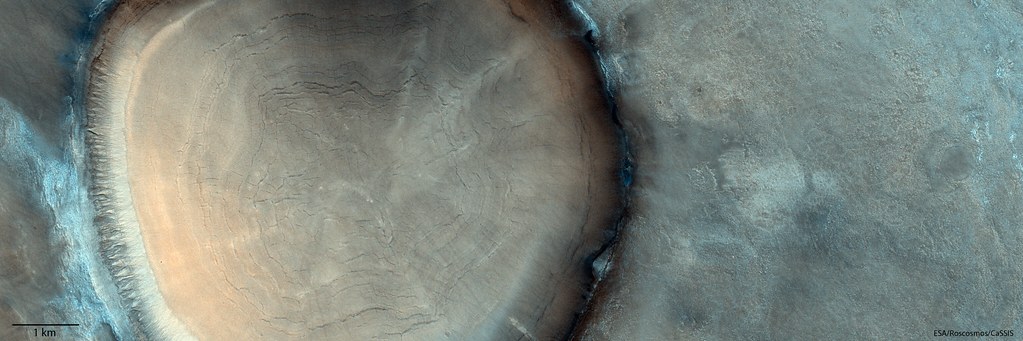
Orbital Data Centre Mission is a groundbreaking initiative that is scheduled for a 2028 Falcon 9 launch from Hyderabad. This mission aims to enhance our capabilities in space exploration.
Overview of the Orbital Data Centre Mission
The Orbital Data Centre Mission, scheduled for a 2028 launch, aims to revolutionize data processing and storage in space. Positioned to take advantage of the latest advancements in satellite technology, this mission will utilize the SpaceX Falcon 9 rocket for its deployment.
The mission is designed to address the growing need for efficient data management as the demand for satellite communication and Earth observation increases. Key objectives of the Orbital Data Centre Mission include:
- Enhancing data transmission between satellites and ground stations.
- Improving storage capabilities for large amounts of data collected in real-time.
- Implementing advanced analytics to process data more effectively.
- Testing new technologies that could be foundational for future space missions.
As the mission approaches, experts anticipate it will not only support scientific research but also pave the way for commercial applications, making it a significant milestone for space exploration.
Timeline for the 2028 Falcon 9 Launch
The timeline for the 2028 Falcon 9 launch is critical for the success of the Orbital Data Centre Mission. Key milestones have been established to ensure a seamless preparation process leading up to the launch.
- 2025: Preliminary tests for spacecraft systems are set to begin, focusing on the integration of cutting-edge technology.
- Late 2026: Final design reviews will ensure that all components meet the mission’s rigorous specifications.
- 2027: Full-scale simulations will be conducted to prepare the crew and ground support teams for the launch. This year will also mark the start of assembling the payload.
- Early 2028: A series of crucial test flights will take place to validate the Falcon 9’s performance with the Orbital Data Centre payload.
- Mid-2028: The launch window will officially open, with final checks and pre-launch preparations to ensure everything is on track.
By adhering to this timeline, stakeholders aim to maximize the mission’s success and minimize potential risks.
Technological Innovations in Space Missions
As the 2028 Falcon 9 launch approaches, the Orbital Data Centre Mission is set to leverage cutting-edge technological innovations that promise to enhance the efficiency and reliability of space missions. These advancements are crucial for ensuring that data collected in orbit can be processed and transmitted back to Earth seamlessly.
Key innovations include:
- Advanced AI Algorithms: These algorithms will enable real-time data analysis and decision-making, improving mission responsiveness.
- Enhanced Communication Systems: Upgraded satellite communication technologies will provide faster data transfer rates and greater bandwidth.
- Modular Spacecraft Design: The use of modular components allows for easier upgrades and repairs, improving the longevity of the mission.
- Autonomous Navigation: Autonomous systems will reduce the need for ground control intervention, allowing for more efficient route planning and adjustments.
These innovations position the Orbital Data Centre Mission at the forefront of space exploration, establishing a new benchmark for future endeavors.
Impact of the Mission on Space Exploration
The Orbital Data Centre Mission is poised to significantly enhance our understanding of space exploration and satellite technology. As the mission gears up for its 2028 Falcon 9 launch, experts predict several major impacts on the industry.
- Increased Data Collection: The mission will facilitate the collection of vast amounts of data, allowing for improved analysis of space phenomena.
- Collaboration Opportunities: By partnering with international space agencies, the mission aims to foster global cooperation in space research.
- Advancements in Technology: The technologies developed for the Orbital Data Centre will likely lead to innovations that benefit other sectors, including telecommunications and weather forecasting.
- Enhanced Satellite Communication: With a focus on optimizing satellite operations, the mission aims to improve communication systems essential for both civilian and military applications.
Overall, the Orbital Data Centre Mission represents a pivotal step forward, not only for the mission itself but for the future of space exploration as a whole.
Future Prospects for Orbital Data Centres
The future of the Orbital Data Centre Mission looks promising as various advancements in space technology continue to unfold. With the planned launch in 2028, experts are optimistic about the significant role these data centres will play in enhancing global communication and data processing capabilities.
Key factors contributing to the mission’s success include:
- Enhanced Data Management: The Orbital Data Centre will facilitate efficient data storage and processing in real-time, which is crucial for various industries.
- Collaboration Opportunities: The mission encourages partnerships between private companies and governmental agencies, fostering innovation in space technology.
- Sustainability Initiatives: Emphasizing environmentally friendly practices, the project aims to minimize space debris and promote sustainable space exploration.
As the launch date approaches, the excitement surrounding the Orbital Data Centre Mission intensifies, with stakeholders eager to see how this pioneering effort will reshape the future of data handling in space.
By europeanspaceagency via Openverse