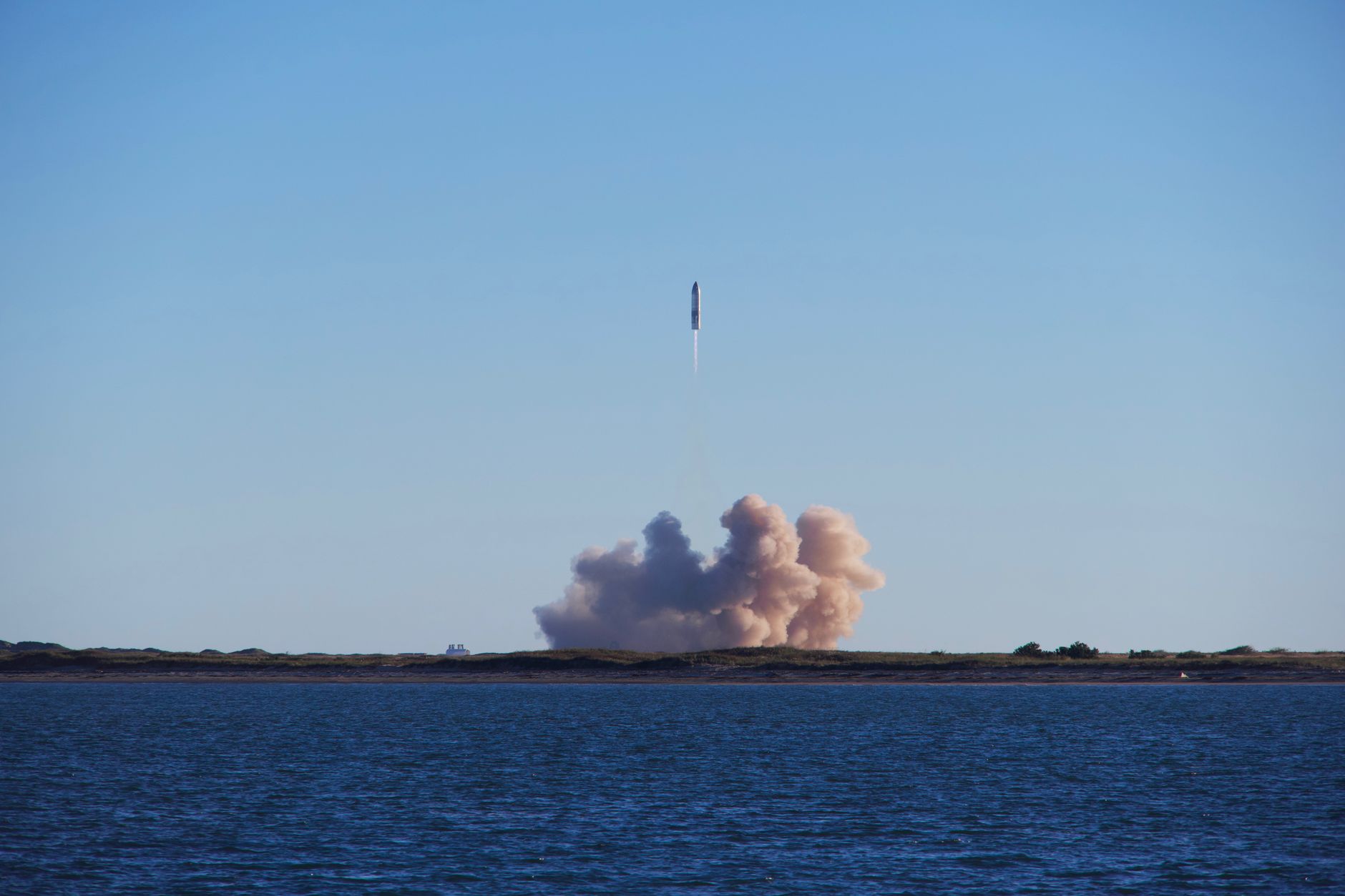
Pak-China space collaboration is making headlines as Pakistan prepares to send its first astronaut to space on a mission with China. This historic event marks a significant milestone in international space cooperation.
Overview of Pak-China space collaboration
The ongoing Pak-China space collaboration marks a significant milestone in the realm of space exploration. As Pakistan prepares to send its first astronaut into space aboard a Chinese mission, this partnership is set to enhance not only technological advancements but also scientific research opportunities for both nations.
This collaboration is rooted in a mutual interest in developing space capabilities and addressing common challenges. By pooling resources and expertise, Pakistan and China aim to foster innovations that can benefit their respective space programs.
- Joint missions: Both countries have engaged in various joint missions, which include satellite launches and research projects.
- Training programs: Initiatives have been established to train Pakistani astronauts and engineers within China’s space facilities.
- Technological exchange: The collaboration facilitates the exchange of knowledge and technology, particularly in satellite communication and geospatial data.
The upcoming mission, anticipated to launch within the next few years, symbolizes a step forward in Pakistan’s aspirations in the space sector. As the world watches, the success of this endeavor could pave the way for future collaborations and inspire a new generation of scientists and astronauts in both countries.
Significance of Pakistan’s first astronaut
The significance of Pakistan’s first astronaut cannot be overstated, particularly in the context of the Pak-China space collaboration. This milestone marks not only a significant achievement for Pakistan but also a pivotal moment for the nation’s aspirations in space exploration.
As Pakistan prepares to send its first astronaut into space, several key factors highlight the importance of this endeavor:
- National Pride: The launch symbolizes a leap in technological advancements, showcasing Pakistan’s capacity to contribute to global space initiatives.
- International Cooperation: The collaboration with China strengthens diplomatic ties, fostering mutual growth in scientific research and development.
- Inspiration for Future Generations: The mission aims to inspire young students in Pakistan to pursue careers in science, technology, engineering, and mathematics (STEM).
- Research Opportunities: The astronaut will participate in various scientific experiments, potentially leading to breakthroughs in fields such as medicine and environmental science.
In conclusion, the launch of Pakistan’s first astronaut represents a significant step forward in the country’s space ambitions. The Pak-China space collaboration not only enhances Pakistan’s standing in the global arena but also opens new avenues for exploration and innovation.
Timeline for the space mission
The timeline for the upcoming Pak-China space collaboration is pivotal in understanding the broader implications of this historic mission. The partnership between Pakistan and China marks a significant milestone in space exploration, with plans set in motion for Pakistan’s first astronaut to join a mission to space within the next two years.
Key dates in the timeline include:
- 2023: Initial training begins for Pakistani astronauts at the Chinese space training facilities, focusing on essential skills and knowledge required for space travel.
- 2024: Preparations for the launch intensify, with simulations and rigorous testing to ensure the safety and readiness of the astronaut.
- Mid-2025: The expected launch window opens, with the mission aiming to send the Pakistani astronaut aboard a Chinese spacecraft. This momentous event is anticipated to garner significant attention both nationally and internationally.
- Post-Mission: Following the mission, a series of debriefings and public engagements are planned to share insights and experiences gained from the journey. This will also include discussions on the future of Pak-China space collaboration.
As the timeline unfolds, the excitement surrounding this mission continues to build, highlighting the potential for enhanced cooperation in space endeavors between the two nations.
Technological advancements in space travel
The realm of space travel has witnessed unprecedented technological advancements in recent years, paving the way for new opportunities in international collaboration. The Pak-China space collaboration stands out as a significant development, promising to leverage each nation’s strengths in aerospace technology.
China has long been at the forefront of space exploration, having successfully launched numerous missions, including crewed spaceflights and lunar landings. Their experience with advanced spacecraft and robust infrastructure provides a solid foundation for collaboration with Pakistan. In turn, Pakistan aims to enhance its own capabilities by tapping into Chinese expertise, particularly in areas such as satellite technology and deep-space communication.
Both countries are expected to benefit from shared research and development initiatives, which could lead to innovations in propulsion systems, life support technologies, and mission planning. As they work together, the partnership may also facilitate access to resources and funding, enabling more ambitious projects that could redefine the future of space exploration.
Moreover, this collaboration offers a unique opportunity for Pakistani scientists and engineers to gain hands-on experience in space missions, a critical step in nurturing a new generation of space professionals. As the mission approaches, anticipation grows regarding the potential advancements that could arise from this groundbreaking partnership.
Training for Pakistani astronauts
The training for Pakistani astronauts under the Pak-China space collaboration initiative is set to commence soon, marking a significant milestone in the country’s space exploration journey. Selected astronauts will undergo rigorous training programs designed to prepare them for the challenges of space travel.
The training regimen will include various aspects, such as:
- Physical fitness: Astronaut candidates will participate in intense fitness programs to ensure they can withstand the physical demands of space missions.
- Technical skills: Trainees will learn to operate spacecraft systems and conduct experiments in microgravity.
- Emergency preparedness: Astronauts will be trained to handle potential emergencies during their missions, ensuring they are equipped to respond effectively.
- Cross-cultural collaboration: Participants will engage with Chinese experts to foster teamwork and communication skills essential for international missions.
Moreover, the training will take place in various facilities, including state-of-the-art centers in both Pakistan and China. This collaboration not only aims to enhance the skills of Pakistani astronauts but also strengthens the bilateral ties between the two nations in the realm of space exploration. As the mission date approaches, anticipation grows around the opportunities this program will create for future generations of scientists and engineers in Pakistan.
International reactions to the collaboration
The announcement of the Pak-China space collaboration has garnered significant international attention, with various nations weighing in on the implications of this partnership. Many experts believe that this collaboration could pave the way for enhanced space exploration in the region.
Countries such as the United States and India have expressed cautious optimism, recognizing the potential benefits of shared knowledge and technology. However, there are also concerns regarding the geopolitical ramifications of closer ties between Pakistan and China in the aerospace sector.
- The United States: Some American officials have called for more transparency regarding the goals of the collaboration, particularly in relation to military applications of space technology.
- India: Indian analysts have raised alarms over the strategic advantages that Pakistan may gain through this partnership, suggesting it could alter the balance of power in South Asia.
- European Union: In contrast, several European countries have shown interest in collaborating with both Pakistan and China, viewing the space partnership as an opportunity for scientific advancement.
Overall, the international reactions highlight a mix of intrigue and apprehension, reflecting the complex dynamics of space collaboration in an increasingly competitive global landscape. As the Pak-China space collaboration progresses, it remains to be seen how these reactions will evolve.
Future of space exploration in Asia
The future of space exploration in Asia looks promising, particularly with the ongoing Pak-China space collaboration. As countries in the region pool their resources and expertise, the potential for groundbreaking discoveries and technological advancements increases significantly.
One of the most exciting prospects is the development of a robust infrastructure for space missions. This includes launching satellites, conducting scientific research, and exploring new frontiers beyond Earth. Countries like Pakistan and China are investing heavily in space technology, which could lead to enhanced capabilities in satellite communications, weather forecasting, and even advancements in agriculture through satellite imagery.
Moreover, the collaboration paves the way for shared research initiatives. By working together, scientists and engineers can address pressing challenges such as climate change, natural disasters, and food security through innovative solutions derived from space data.
The joint efforts may also inspire a new generation of scientists and engineers in Asia, encouraging more students to pursue careers in STEM fields. Educational programs that foster interest in space sciences and technology will be crucial in ensuring that the region remains competitive in the global space race.
In conclusion, the Pak-China space collaboration stands as a beacon of hope for the future of space exploration in Asia, promising not only advancement in technology but also international cooperation and unity in addressing global challenges.
Potential benefits for Pakistan
The collaboration between Pakistan and China in space exploration presents numerous potential benefits for Pakistan, enhancing its standing in the international space community. This Pak-China space collaboration not only marks a significant milestone for the nation but also opens up avenues for scientific advancement and technological growth.
One of the most notable benefits is the development of a skilled workforce. As Pakistani astronauts undergo rigorous training alongside their Chinese counterparts, they will acquire essential skills and knowledge in various aspects of space travel and research. This expertise can be invaluable for Pakistan’s burgeoning aerospace industry.
Furthermore, the collaboration could foster greater investment in research and development. By partnering with China, Pakistan may attract funding and resources that can be redirected toward local space initiatives and scientific projects, stimulating economic growth.
Additionally, this endeavor could enhance Pakistan’s global standing, positioning it as a key player in international space discussions. As the country participates in significant missions, it can forge new alliances and strengthen existing partnerships, potentially leading to more collaborative opportunities in diverse fields.
In summary, the Pak-China space collaboration is a pivotal opportunity for Pakistan, promising not only to boost its technological capabilities but also to inspire future generations of scientists and engineers.
The Pak-China space collaboration has opened new avenues for both nations in the field of astronaut training and technology development. As they work together, the potential benefits of the Pak-China space collaboration could significantly enhance their capabilities in space exploration.