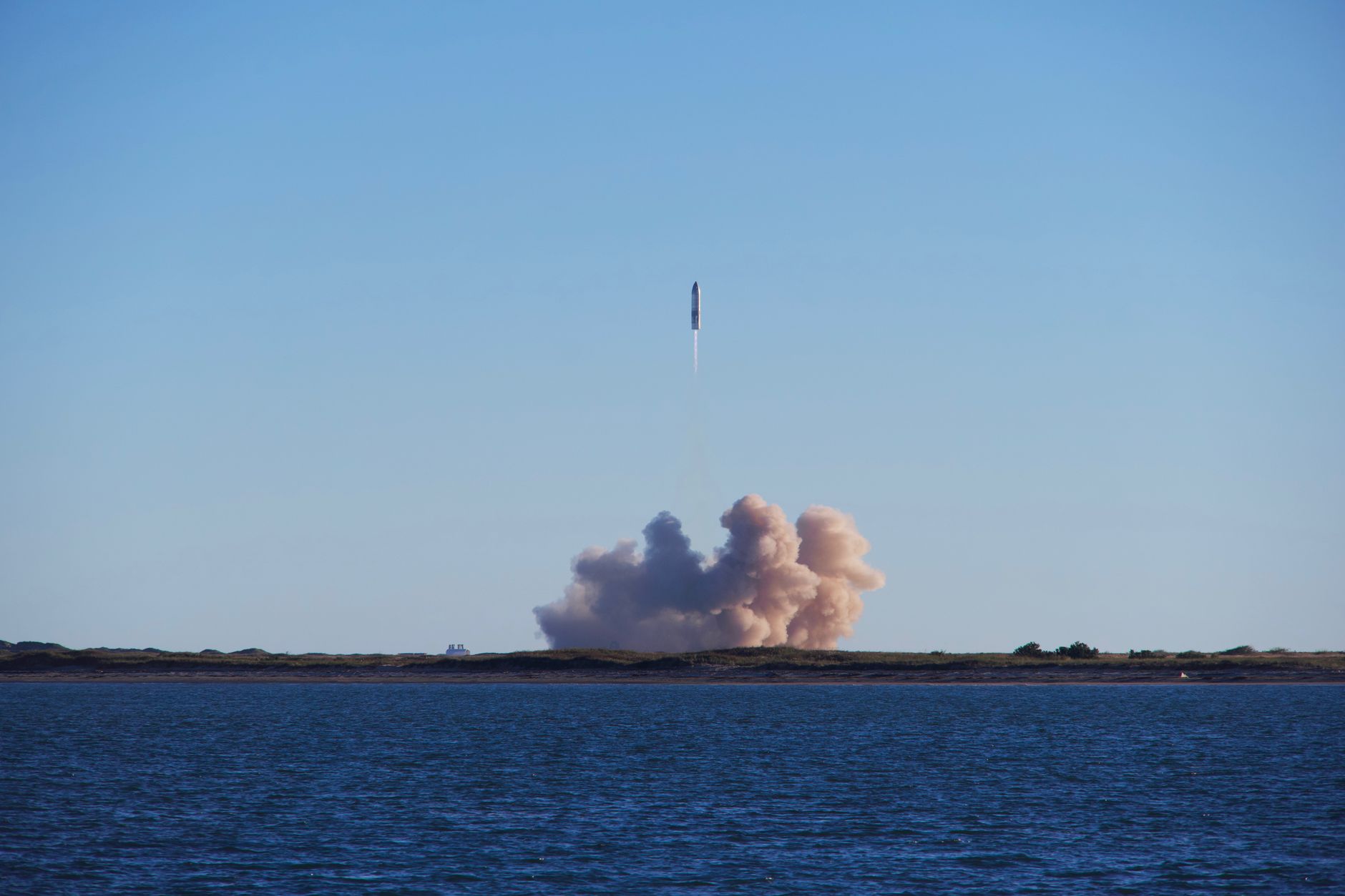
The SpaceX military satellite launch was a significant event as it successfully deployed 21 military satellites for the U.S. Space Force. This launch came after a five-day delay, showcasing SpaceX’s reliability in military operations.
Overview of the SpaceX Launch
The recent SpaceX military satellite launch marks a significant milestone for the U.S. Space Force, showcasing the company’s capability to deliver crucial assets into orbit. After a brief five-day delay due to unfavorable weather conditions, SpaceX successfully lifted off on schedule, delivering 21 military satellites into low Earth orbit. This launch is part of a broader initiative to enhance the Space Force’s operational capabilities.
The mission utilized the Falcon 9 rocket, which has proven reliability and efficiency in carrying various payloads. With this launch, SpaceX continues to cement its role as a key partner for the U.S. military in space operations. The integration of multiple satellites in a single launch not only reduces costs but also maximizes the use of available launch windows.
Key aspects of the launch included:
- Launch Date: The launch occurred after a brief postponement attributed to weather concerns.
- Payload Capacity: The Falcon 9 rocket efficiently carried 21 military satellites, demonstrating its robustness.
- Collaboration: This mission underscores the successful partnership between SpaceX and the U.S. Space Force.
As military operations increasingly rely on satellite technology, this successful mission further solidifies SpaceX’s reputation as a leader in the aerospace industry.
Details of the Military Satellites
The recent launch by SpaceX marks a significant milestone for the U.S. Space Force, successfully deploying 21 military satellites into orbit. These satellites are part of the broader initiative to enhance national security and improve military capabilities. The mission, which faced a five-day delay due to adverse weather conditions, ultimately showcased SpaceX’s reliability and efficiency in delivering critical payloads.
The satellites serve various purposes, including:
- Communications: Ensuring secure and reliable communication channels for military operations.
- Surveillance: Providing real-time reconnaissance and monitoring capabilities across global hotspots.
- Navigation: Supporting precise positioning and navigation for military assets.
- Data Relay: Enabling rapid data transfer and coordination among different branches of the military.
This launch is a testament to the growing partnership between private aerospace companies like SpaceX and government agencies. With the successful deployment of these military satellites, the U.S. Space Force continues to bolster its technological edge in space operations. As the need for advanced military capabilities in space increases, the collaboration with SpaceX is expected to expand, paving the way for future missions that will further enhance national defense.
Impact on U.S. Space Force
The recent SpaceX military satellite launch marks a significant milestone for the U.S. Space Force, demonstrating the growing reliance on private aerospace companies for national defense operations. This successful mission not only enhances the capabilities of the Space Force but also showcases the efficiency and reliability of SpaceX’s launch systems.
The launch of 21 military satellites is expected to bolster various operational aspects, including:
- Communications: Improved secure communication channels for military personnel.
- Surveillance: Enhanced monitoring capabilities for intelligence operations.
- Navigation: Increased accuracy for GPS and other navigational aids.
This collaboration between SpaceX and the U.S. Space Force signifies a shift towards more innovative and cost-effective solutions for defense needs. By leveraging the technological advancements offered by private companies, the Space Force can focus on strategic initiatives rather than solely relying on traditional government contracts.
Furthermore, the successful deployment of these military satellites reaffirms SpaceX’s position as a vital partner in national security efforts, paving the way for future collaborations. As the landscape of space technology evolves, the implications of this SpaceX military satellite launch will likely influence defense strategies for years to come.
Challenges Faced During Launch
The recent SpaceX military satellite launch encountered several challenges that tested the resilience and adaptability of the team involved. Despite a five-day delay attributed to unfavorable weather conditions, the mission ultimately achieved its primary objectives.
Among the various challenges faced during the launch preparations were:
- Technical Glitches: Leading up to the launch date, engineers discovered minor technical issues that required immediate attention. Quick troubleshooting ensured that the necessary adjustments were made without compromising the launch schedule.
- Weather Concerns: The launch was initially set for earlier in the week but was postponed due to inclement weather. Meteorological predictions were closely monitored to ensure a safe launch window.
- Coordination with Military Officials: The coordination between SpaceX and the U.S. Space Force was crucial. Communication challenges arose as both teams worked to finalize launch protocols and ensure alignment on mission objectives.
- Public Scrutiny: With the launch being highly publicized, the pressure to deliver a flawless operation weighed heavily on the SpaceX team. Their commitment to excellence was evident in their handling of the pre-launch hurdles.
Ultimately, the SpaceX military satellite launch demonstrated both innovation and reliability, reinforcing the partnership between the private sector and the U.S. Space Force.
Future SpaceX Missions
The successful launch of 21 military satellites for the U.S. Space Force marks a significant milestone for SpaceX and its role in national security. Looking forward, several upcoming SpaceX missions are poised to enhance military capabilities and further integrate technology into defense systems.
SpaceX plans to continue its partnership with the U.S. government, focusing on various projects that aim to reinforce satellite communication and surveillance. Some of the future missions include:
- Next-Generation Satellite Launches: Future missions will see the deployment of advanced communication satellites designed to improve connectivity in remote areas.
- Space-Based Sensor Technology: SpaceX will work on launching satellites equipped with cutting-edge sensors to facilitate real-time monitoring of potential threats.
- Increased Payload Capacity: The Falcon Heavy rocket is expected to be used for heavier payloads, further expanding operational capabilities.
As the SpaceX military satellite launch has demonstrated, the collaboration between commercial space enterprises and government agencies is essential for national defense. The advancements in satellite technology will not only bolster military operations but also contribute to broader space exploration efforts. The ongoing success of SpaceX paves the way for a new era in military aerospace capabilities, solidifying its role as a key player in future missions.
Technological Innovations
The recent SpaceX military satellite launch highlighted several groundbreaking technological innovations that continue to enhance the capabilities of the U.S. Space Force. These advancements are crucial as the military increasingly relies on satellite technology for a variety of operations.
One notable innovation is the improved rocket design, which allows for greater payload capacity and efficiency. This particular launch featured the Falcon 9 rocket, known for its reusability, which significantly reduces the cost of deploying multiple satellites into orbit.
Additionally, the integration of advanced satellite technology has enabled the deployment of sophisticated sensors that provide enhanced data collection and communication capabilities. This is essential for real-time intelligence gathering and strategic operations.
The launch also showcased the use of artificial intelligence in mission planning and execution. AI algorithms help optimize launch trajectories and satellite orbits, ensuring that each satellite can operate effectively in its designated role.
Furthermore, the collaboration between SpaceX and various military branches has fostered an environment of innovation, allowing for rapid development and deployment of new technologies. This partnership exemplifies the importance of public-private collaboration in advancing national security.
As SpaceX continues to push the boundaries of aerospace technology, the implications for the U.S. military and its operational capabilities are profound.
Expert Opinions on the Launch
Experts in the aerospace field have praised the recent SpaceX military satellite launch, emphasizing its significance for the U.S. Space Force. According to Dr. Emily Carter, a space technology analyst, “This launch not only demonstrates SpaceX’s reliability but also showcases the growing partnership between commercial enterprises and military needs.”
Moreover, retired Major General Tom Johnson noted, “Deploying 21 military satellites in one go is a remarkable feat. It significantly enhances our operational capabilities and provides critical support for national security.” Many experts believe that the successful launch bolsters the United States’ strategic advantage in space.
Additionally, Dr. Sarah Lee, a defense policy researcher, highlighted the importance of rapid deployment capabilities: “The ability to launch multiple satellites simultaneously allows for faster responses to emerging threats and operational demands.” This aligns with the U.S. Space Force’s strategic goals to ensure dominance in space.
Furthermore, commentators have pointed out that the collaboration between SpaceX and the military may pave the way for future innovations. “As we move forward, we can expect more advancements in satellite technology and launch capabilities,” said Dr. Carter. This sentiment reflects a growing optimism surrounding the future of military satellite launches, particularly with SpaceX leading the charge.
Conclusion: Significance of the Event
The recent SpaceX military satellite launch marks a significant milestone for the U.S. Space Force, showcasing not only the capabilities of private space ventures but also the increasing reliance on technologically advanced satellite systems for national security. This successful launch, which included 21 military satellites, underscores the importance of collaboration between governmental entities and private firms in enhancing defense infrastructure.
The implications of this event extend beyond mere satellite deployment. It represents a shift in how military operations can be supported through innovative technology. The partnership with SpaceX indicates a growing trend where the U.S. military seeks to leverage entrepreneurial advancements to maintain superiority in space.
Furthermore, the launch serves as a testament to the resilience of SpaceX, overcoming challenges that could have delayed the mission further. The ability to adapt and respond quickly to obstacles is critical in the fast-paced world of space operations.
Looking ahead, the success of this SpaceX military satellite launch lays the groundwork for future missions that will enhance both reconnaissance and communication capabilities. As the U.S. Space Force continues to evolve, the integration of commercial satellite technology will undoubtedly play a crucial role in shaping the future of military strategy and operations.
The recent SpaceX military satellite launch has demonstrated the company’s ability to meet the stringent requirements of the U.S. Space Force. With this successful mission, the SpaceX military satellite launch marks a significant milestone in enhancing national security through advanced satellite technology.
Where this came from
Related stories
Is Generative AI Microscope Video the Worst Contest Winner? · Revive Orkut Campaign: Proven Support from 2.55 Lakh Fans · Vivo Y600s Pro features: Is it the best phone of 2023?