
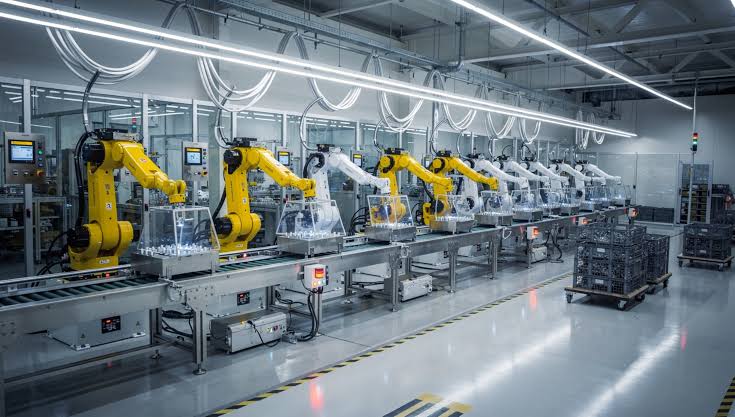
Installing modern frequency converters prevents costly equipment failures and eliminates unexpected production downtime across automated manufacturing lines. Direct electrical starts and rigid fixed-speed operations expose industrial machinery to severe mechanical shock and electrical surges. Frequency converters or variable frequency drives regulate supply frequency and voltage, delivering smooth power acceleration and precise speed control to electric motors. Protecting core motor assets reduces component wear, stabilizes line operations, and keeps production schedules running without interruption.
Shielding Motor Assets from Electrical and Mechanical Stress
Frequency converters eliminate the destructive current surges and mechanical shocks caused by direct-on-line motor starts. Standard electric motors draw up to eight times their full-load current during ignition, creating thermal pressure on motor windings and causing power line voltage drops. This sudden surge in mechanical torque strains gearboxes, snaps drive belts, and damages drive shafts across heavy machinery.
Soft-start technique controls torque delivery during acceleration by gradually increasing motor speed from zero RPM. Managing power delivery eliminates physical shock to drive trains, preserving mechanical alignment and preventing insulation breakdown in motor coils. Protecting internal components reduces unpredicted electrical faults and significantly extends the operational lifespan of your motor fleet.
Optimizing Process Control and Eliminating Production Bottlenecks
Precise speed regulation allows manufacturing lines to adjust dynamically to variable material loads, preventing equipment jams and product defects. Fixed-speed motor setups rely on rigid operational speeds that fail to account for changes in raw material density, viscosity, or line throughput. Forced operations often cause conveyor pile-ups, bottle breakage, or material tearing during automated processing.
Frequency converters receive real-time feedback from line sensors, adjusting motor RPM instantly to maintain optimal line tension, pressure, or flow rates. Automated speed synchronization ensures smooth material transport through every stage of assembly and packaging. Eliminating line disruptions lowers scrap rates, improves output quality, and maintains consistent manufacturing throughput.
Built-In Predictive Diagnostics and Fault Prevention
Modern Visicomm Industries solid state frequency converters act as intelligent monitoring hubs, detecting mechanical anomalies before they escalate into catastrophic equipment failures. Variable speed drives continuously track electrical current, output voltage, motor temperature, and operating torque parameters during active production cycles. Deviations from normal operating baselines trigger automated warnings, allowing maintenance technicians to intervene long before a part breaks.
Advanced drive diagnostics identify early indicators of mechanical issues like bearing wear, belt slipping, or pump cavitation. Catching mechanical degradation early transforms emergency repairs into scheduled maintenance interventions during planned downtime windows. Maintaining continuous oversight minimizes unplanned outages, protects high-value machinery, and keeps maintenance overhead predictable.
Driving Continuous Operational Continuity and Profitability
Deploying frequency conversion technology across your factory floor builds a resilient manufacturing ecosystem capable of meeting demanding production quotas. Minimizing mechanical strain and electrical stress keeps core machinery operating at peak efficiency without sudden component fatigue. Automated diagnostic alerts enable proactive maintenance strategies that eliminate the heavy financial burden of emergency factory shutdowns.
Stabilizing motor operations directly protects your bottom line by reducing repair costs, saving energy, and maintaining uninterrupted product delivery. Manufacturers that prioritize machinery reliability build strong client relationships through consistent product quality and reliable fulfillment schedules. Investing in modern frequency converters protects your operational infrastructure and secures long-term manufacturing profitability.
Conclusion
Installing frequency converters across your manufacturing floor is a direct investment in production reliability, product quality, and machinery longevity. Replacing rigid, direct-on-line motor starts with precise variable speed control eliminates destructive mechanical shocks and voltage spikes. Real-time predictive diagnostics transform reactive emergency repairs into manageable, planned maintenance events. Protecting your motor infrastructure safeguards your production schedules, reduces operational overhead, and keeps your manufacturing operations competitive and profitable.
