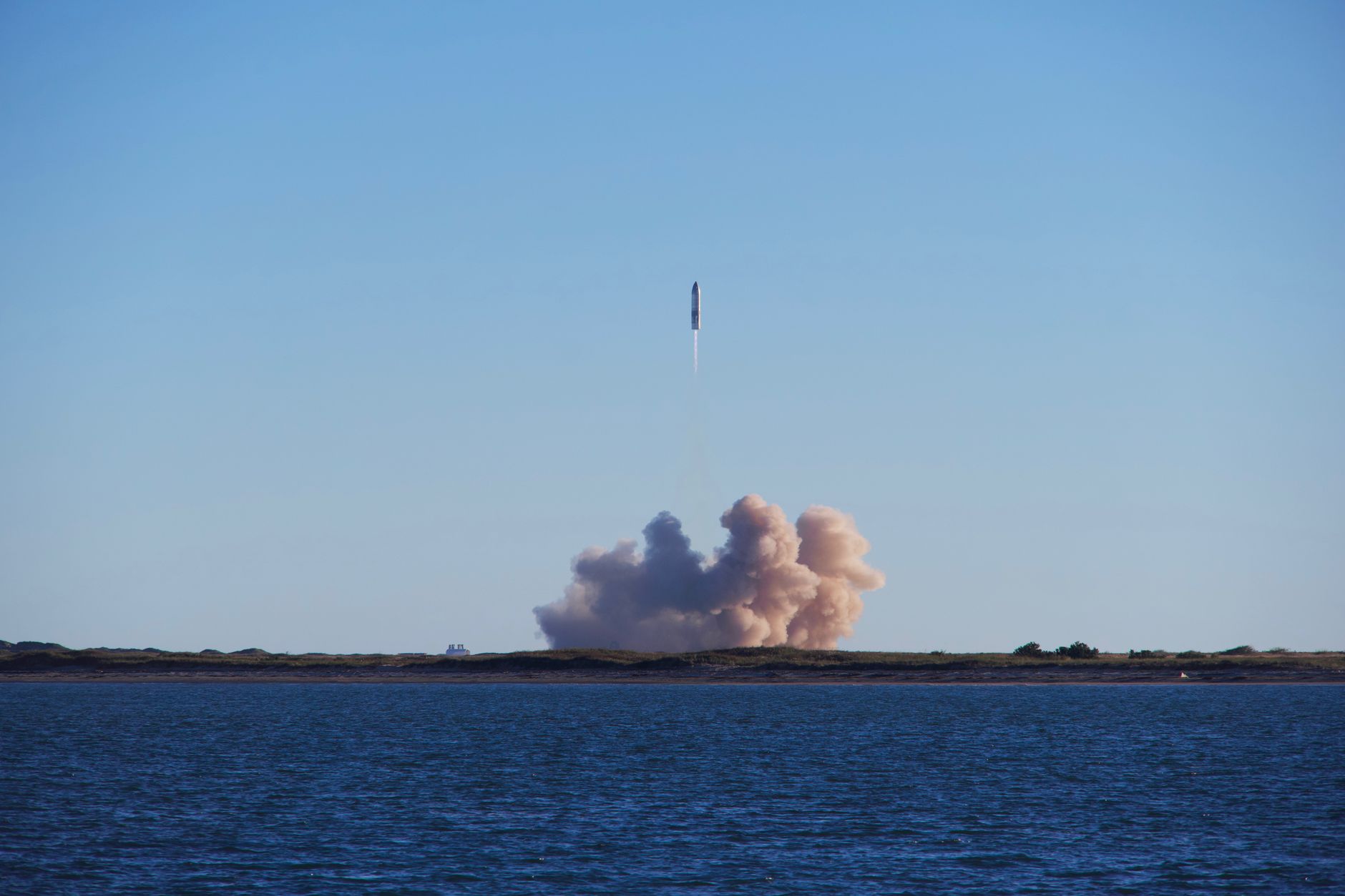
Amazon satellite launch failure has caused significant disruption, losing 40 satellites during a recent launch. This incident highlights the challenges faced in the competitive space sector.
What caused the Amazon satellite launch failure?
The recent Amazon satellite launch failure has raised significant concerns regarding the reliability of the company’s satellite deployment strategy. Multiple factors contributed to this setback, which resulted in the loss of 40 satellites intended for its Project Kuiper initiative.
Initial investigations point to several technical issues during the launch process, including:
- Rocket Malfunction: The launch vehicle experienced a critical failure shortly after liftoff, which prevented the payload from reaching its designated orbit.
- Weather Conditions: Adverse weather may have impacted the launch trajectory and overall performance of the rocket.
- Manufacturing Defects: There are ongoing assessments regarding potential defects in the satellite design or components that could have led to the launch failure.
Experts emphasize the importance of thorough analysis before future launches. Amazon is expected to collaborate with its partners to identify root causes and implement corrective measures. The company remains committed to its goal of establishing a global broadband network, despite this significant setback caused by the recent Amazon satellite launch failure.
Impact of the satellite loss on Amazon’s plans
The recent Amazon satellite launch failure has significant implications for the company’s ambitious plans to enhance global internet coverage through its Project Kuiper initiative. The loss of 40 satellites jeopardizes the timeline for deploying a comprehensive satellite network, which was expected to provide high-speed internet access to underserved regions worldwide.
One of the immediate impacts of this setback is the delay in Amazon’s ability to compete with other satellite internet providers, such as Starlink. Industry analysts believe that the timeline for full operational capacity may be pushed back by several months, if not longer. This delay could result in lost revenue opportunities and hinder Amazon’s efforts to secure partnerships with telecommunications companies.
Moreover, the failure raises questions about the reliability of Amazon’s launch partner and the overall risk management strategies in place for such critical projects. As Amazon seeks to recover from this incident, the company will need to reassess its approach to satellite launches and invest in improving technological resilience.
In summary, the Amazon satellite launch failure not only affects immediate operational goals but also poses long-term challenges for the company’s strategic vision in the competitive satellite internet market.
Reactions from the space industry experts
The recent Amazon satellite launch failure has sparked a wave of reactions from space industry experts, highlighting the challenges faced in the rapidly evolving sector. Many professionals emphasized the complexities involved in launching a large constellation of satellites, which is essential for Amazon’s ambitious plans for global internet coverage.
Dr. Emily Carter, a satellite engineer, remarked, “The loss of 40 satellites is a significant setback for Amazon, but it underscores the inherent risks associated with such large-scale launches.” She pointed out that even established companies encounter difficulties, and this incident serves as a reminder of the technological hurdles that still need to be addressed.
Industry analyst Mark Thompson noted, “This launch failure is particularly unfortunate for Amazon as it attempts to compete with other major players in the space sector.” He believes that the repercussions may lead to a reevaluation of their launch strategies and partnerships.
Additionally, some experts predict that this incident may prompt increased scrutiny and regulatory measures within the satellite launch industry, emphasizing the need for stringent safety protocols to prevent future failures.
Future of satellite launches after this incident
The recent Amazon satellite launch failure has raised significant questions about the future of satellite launches, particularly for companies looking to expand their presence in space. Experts believe that this incident could lead to a reevaluation of launch strategies and partnerships within the industry.
In the wake of the failure, there are several key considerations that companies will need to address:
- Regulatory Scrutiny: Increased oversight from regulatory bodies may become necessary to ensure the safety and reliability of future launches.
- Technological Innovation: Companies may need to invest more in research and development to enhance the reliability of their launch vehicles and satellite technologies.
- Partnership Dynamics: Collaborations with established aerospace firms could become more prevalent as newer companies seek to mitigate risks associated with satellite deployment.
- Financial Implications: The financial fallout from the Amazon satellite launch failure may also lead to shifts in funding and investment strategies within the aerospace sector.
In conclusion, while the Amazon satellite launch failure is a setback, it also presents an opportunity for growth and improvement in the industry as stakeholders adapt to the challenges posed by such incidents.
Sources
Related stories
Gemini Tasks features: The Best New Calling and Shopping Tools · Google Chrome Vertical Tabs: The Best Simple Update · MediaTek Dimensity 6500: Is it the Best Processor for Laptops?