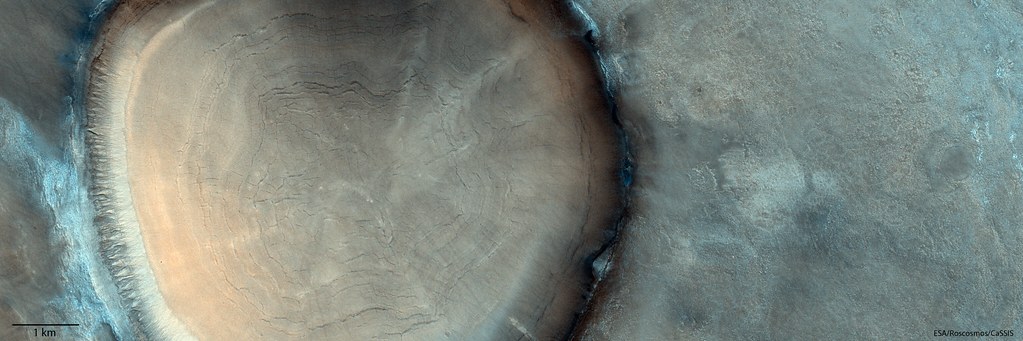
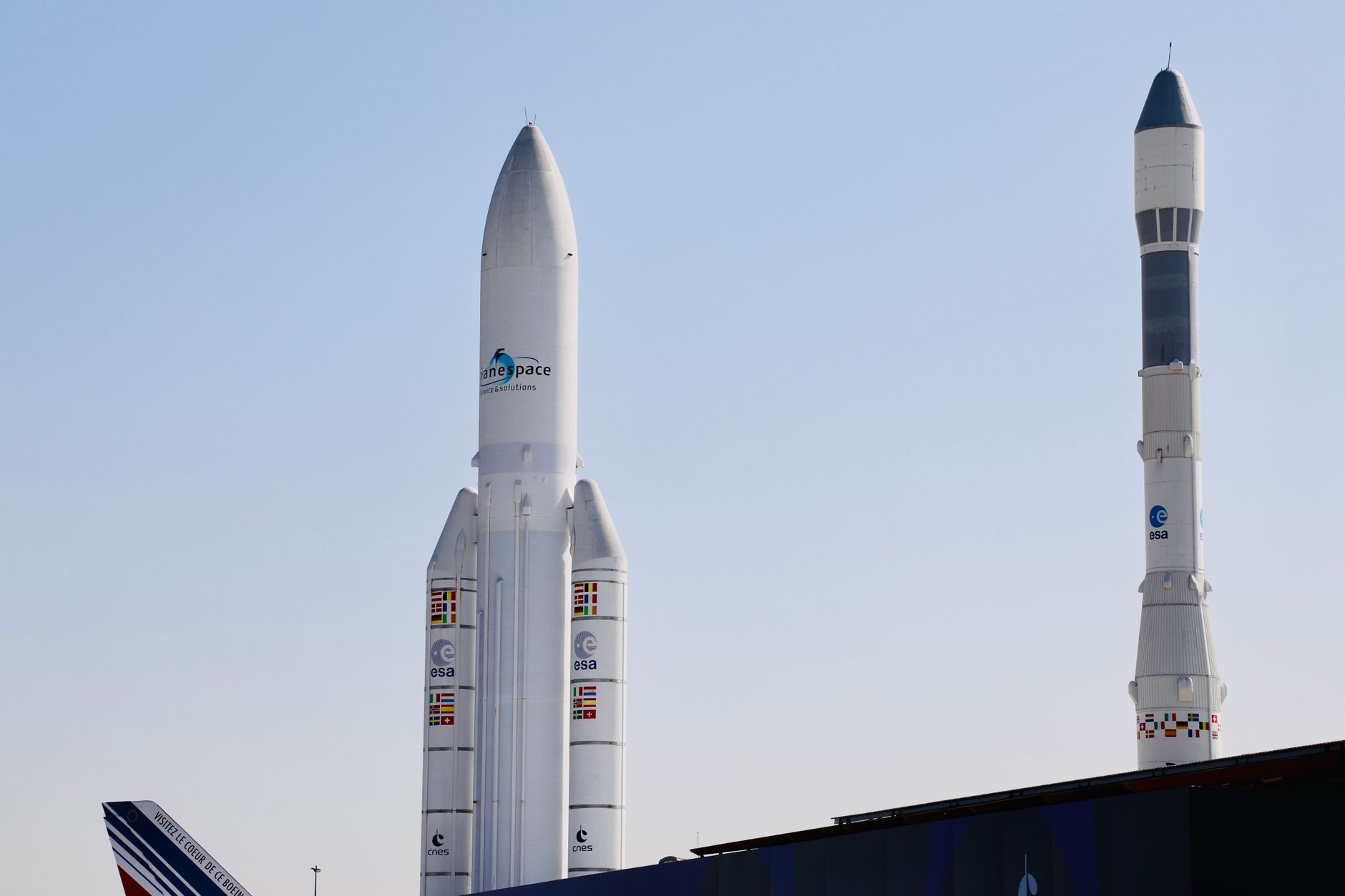
Japan Mars mission aims to collect samples from the Martian moon Phobos, showcasing the country’s advancements in space technology and exploration.
Overview of Japan’s Mars Mission
Japan’s Mars mission marks a significant milestone in the exploration of the red planet and its moons. Launched by the Japan Aerospace Exploration Agency (JAXA), this ambitious project aims to collect samples from Phobos, one of Mars’ two moons. The mission is designed to enhance our understanding of Mars and the origins of its moons, providing valuable insights into the early solar system.
The spacecraft, named Martian Moons eXploration (MMX), is equipped with advanced technology to carry out this complex task. Key objectives include:
- Sampling Phobos: The mission will land on the surface of Phobos, collect soil and rock samples, and return them to Earth.
- Analysis: Scientists plan to analyze the collected samples to learn about the moon’s composition and history.
- Technology Demonstration: The mission will also test new technologies for future Mars exploration.
This Japan Mars mission not only represents a leap forward in space exploration but also fosters international collaboration in scientific research.
Significance of Phobos Exploration
The exploration of Phobos, one of Mars’ moons, holds significant implications for understanding the Martian environment and the broader context of planetary science. The Japan Mars mission aims to collect samples from Phobos to uncover the moon’s origin and its relationship with Mars.
These samples could provide valuable insights into:
- Planetary Formation: Analyzing the composition of Phobos may reveal information about the early solar system and how celestial bodies formed.
- Potential for Life: Studying the moon’s surface and subsurface could help scientists determine whether Phobos harbors organic materials or conditions suitable for life.
- Future Exploration: Understanding the resources available on Phobos could pave the way for future human missions to Mars and its moons.
Through the Japan Mars mission, researchers hope to unlock the secrets of Phobos, contributing to our knowledge of Mars and enhancing our capabilities for future space exploration.
Technological Innovations in Space
The Japan Mars mission is marked by several technological innovations that are pivotal for its success. These advancements not only enhance the mission’s overall effectiveness but also contribute to the future of space exploration.
One of the core technologies being utilized is the sample collection system. This system is designed to efficiently gather surface material from Phobos, one of Mars’ moons, ensuring that the samples are preserved for detailed analysis back on Earth.
Additionally, the mission employs advanced robotics to navigate the challenging terrain of Phobos. These robots are equipped with sensors that allow them to adapt to varying conditions, minimizing the risk of mission failure.
Another noteworthy innovation is the communication technology developed for deep-space transmission. This allows for real-time data transfer, enabling scientists to monitor the mission’s progress and make informed decisions swiftly.
Through these technological innovations, the Japan Mars mission aims to set new standards in planetary exploration and pave the way for future endeavors.
International Collaboration in Space Research
The Japan Mars mission has garnered attention not only for its ambitious goals but also for the extensive international collaboration that supports it. This partnership brings together leading space agencies and experts from around the globe, enhancing the mission’s potential for success.
Key contributors to this initiative include:
- NASA: Providing advanced technology and scientific expertise that aids in the mission’s design and execution.
- ESA: Collaborating on data sharing and analysis, which is crucial for understanding Martian geology.
- ISRO: Offering insights from its own successful missions, particularly in navigating interplanetary trajectories.
- Various universities: Engaging in research and development of instruments that will be used in the field.
This collaborative effort not only strengthens the Japan Mars mission but also emphasizes the importance of unity in space research, as scientists and engineers work together to unravel the mysteries of Mars and its moons.
Challenges Faced in Sample Collection
The Japan Mars mission has encountered several challenges in its quest to collect samples from the Martian moon, Phobos. These obstacles highlight the complexities involved in space exploration.
One of the primary challenges is the harsh environment of space, including extreme temperatures and radiation levels that can damage equipment. The mission’s spacecraft must be engineered to withstand these conditions while ensuring the integrity of the samples.
Additionally, precise navigation is crucial. The spacecraft must accurately land on Phobos, which has an irregular shape and weak gravitational pull. This presents a significant challenge for the landing process, requiring advanced technology and meticulous planning.
Furthermore, the collection mechanism must be reliable and effective in a low-gravity environment. The team is currently testing various methods to ensure successful sample retrieval.
Despite these challenges, the Japan Mars mission remains committed to overcoming obstacles and achieving its goal of bringing back valuable samples that could enhance our understanding of Mars and its moons.
Future of Mars Exploration
The future of Mars exploration is poised for significant advancements, particularly with the success of Japan’s Mars mission. As the world stands on the brink of deeper interplanetary research, the insights gained from the Martian moon Phobos could pave the way for future missions.
Scientists believe that studying the samples collected from Phobos will not only enhance our understanding of the moon itself but also provide essential data on the early solar system. This mission could serve as a stepping stone for future human exploration of Mars, allowing researchers to investigate potential resources and environmental conditions.
Moreover, collaboration between international space agencies will be crucial for the next phases of Mars exploration. Shared knowledge and technology can facilitate missions that are more ambitious and cost-effective. As nations unite for the common goal of exploring the Red Planet, the successes of Japan’s Mars mission will undoubtedly inspire further efforts and innovations in space exploration.
- Potential for human missions to Mars
- Research on Martian resources
- Global collaborations in space science