
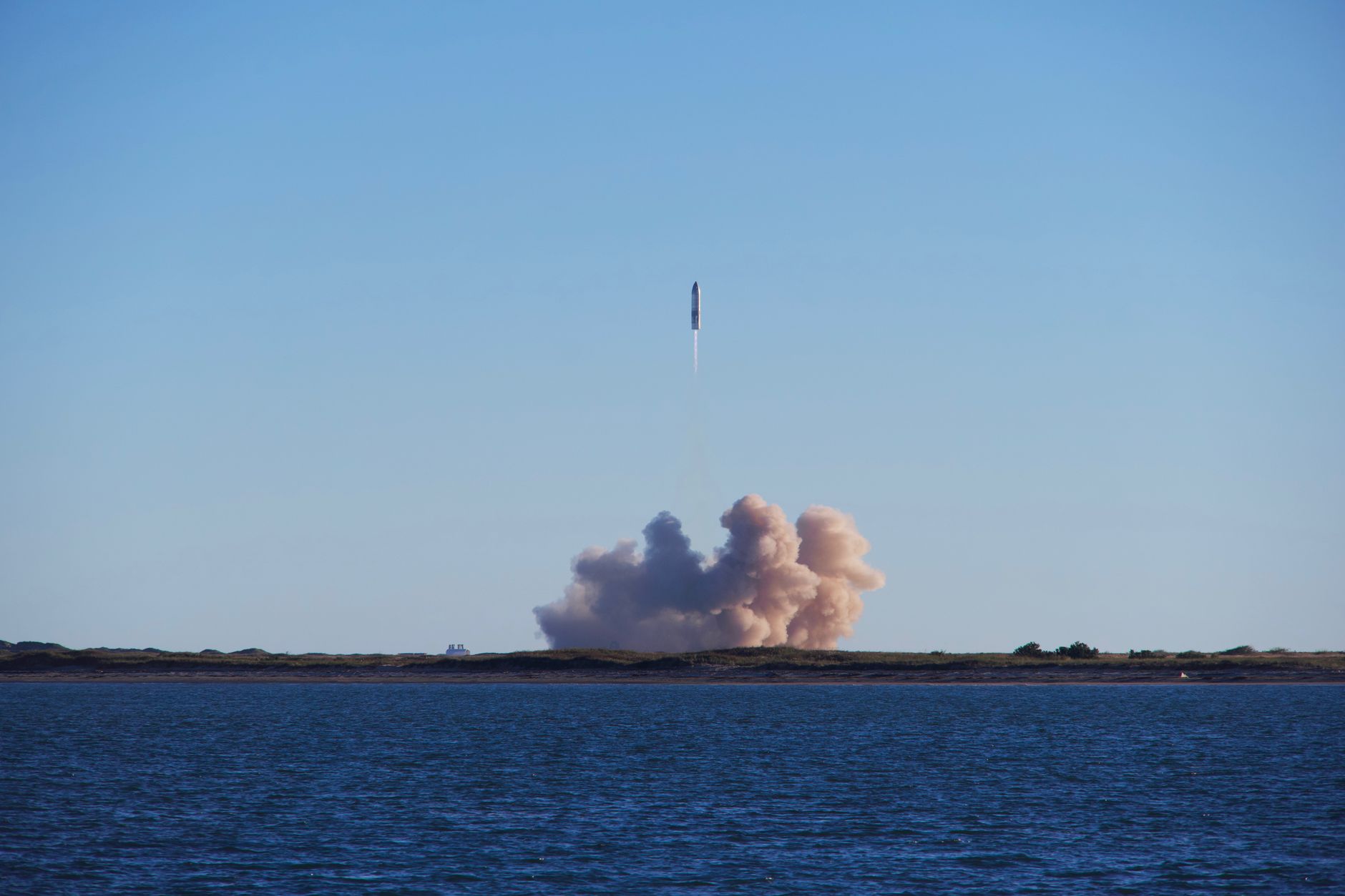
Rocket Lab launches are gaining momentum as the company accelerates its efforts to establish a robust space AI infrastructure. With four launches in 25 days on the horizon, the excitement in the aerospace industry is palpable.
Overview of Rocket Lab’s Launch Plans
Rocket Lab is making significant strides in the realm of space exploration with its recent announcement of multiple launch initiatives. The company aims to achieve four launches in 25 days, a feat that would showcase its enhanced operational capabilities and commitment to accelerating space exploration. This ambitious plan is part of Rocket Lab’s broader vision to build a robust “space AI infrastructure” that supports various missions and technological advancements.
The upcoming launches will involve the Electron rocket, which has proven to be a reliable vehicle for deploying small satellites into orbit. With each successful mission, Rocket Lab continues to refine its processes and technologies, ensuring that it remains at the forefront of the commercial space industry. The company has already established a reputation for its rapid launch cadence and responsiveness to customer needs.
As Rocket Lab expands its launch capabilities, it also focuses on collaboration with other space entities and organizations. This not only enhances its launch schedule but also fosters innovation within the industry. By prioritizing partnerships and technological advancements, Rocket Lab is positioning itself as a leader in the competitive landscape of space launches.
With these developments, the excitement surrounding Rocket Lab’s launches continues to grow, showcasing the potential for even greater achievements in the near future.
The Role of AI in Space Infrastructure
As Rocket Lab launches become more frequent, the integration of artificial intelligence (AI) into space infrastructure is emerging as a pivotal factor in enhancing operational efficiency and mission success. AI technologies are being leveraged to analyze vast amounts of data collected during launches, enabling real-time decision-making and predictive analytics.
One of the key roles AI plays in space infrastructure is optimizing launch trajectories. By utilizing machine learning algorithms, Rocket Lab can simulate various launch scenarios and adjust parameters to ensure that rockets achieve their intended orbits with precision. This not only increases reliability but also significantly reduces the risk of costly errors.
Moreover, AI is instrumental in the maintenance and monitoring of spacecraft. With the ability to process sensor data continuously, AI systems can identify potential issues before they escalate, allowing for proactive measures to be taken. This capability is crucial in extending the operational lifespan of satellites and other space assets.
Additionally, AI-powered tools are enhancing communication systems, ensuring that data transmission between Earth and spacecraft is seamless and efficient. As Rocket Lab continues to expand its launch schedule, the incorporation of AI into its processes stands to accelerate advancements in space exploration, making it a cornerstone of their future missions.
In conclusion, the synergy between Rocket Lab launches and AI technology is set to transform the landscape of space infrastructure, paving the way for a new era of exploration and innovation.
Upcoming Rocket Lab Launches
Rocket Lab is gearing up for an exciting period with multiple upcoming launches that promise to accelerate space exploration. With a goal to enhance its launch frequency, the company is set to execute a series of missions that will showcase its innovative technology and commitment to advancing space capabilities.
Among the notable launches scheduled in the coming weeks are:
- Electron Rocket Launch: Targeted for early next month, this mission aims to deploy a constellation of small satellites into orbit, further enhancing global connectivity.
- Photon Mission: Slated for mid-next month, this launch will test Rocket Lab’s Photon satellite platform, a crucial step towards supporting interplanetary missions.
- Dedicated Rideshare Launch: Planned for late next month, this mission will carry multiple payloads from various customers, emphasizing Rocket Lab’s versatility in serving different sectors.
- Technology Demonstration Launch: Scheduled for the end of the month, this launch will focus on testing new technologies that could improve future space operations.
These upcoming Rocket Lab launches not only reflect the company’s rapid progress but also its vision to create a more accessible space environment. As Rocket Lab continues to innovate, the excitement around its launches builds, promising a significant impact on the future of space exploration.
Impact of Accelerated Launches on Space Industry
The recent surge in Rocket Lab launches marks a transformative shift in the space industry, promising to enhance accessibility and reduce costs associated with satellite deployment and exploration missions. By streamlining their launch schedules, Rocket Lab is positioning itself as a leader in the rapidly evolving space landscape.
Accelerated launches create several significant impacts:
- Increased Frequency: The ability to conduct more launches in shorter timeframes allows for the rapid deployment of satellites, which is essential for various applications including communications, Earth observation, and scientific research.
- Cost Efficiency: With more frequent launches, the cost per launch is likely to decrease as economies of scale come into play, making space ventures more financially viable for companies and governments alike.
- Innovation Acceleration: As launches become more routine, companies can iterate on technology faster, leading to advancements in rocket design and payload capabilities.
- Collaborative Opportunities: A bustling launch schedule opens doors for partnerships among private companies, governments, and research institutions, fostering innovation and knowledge sharing.
As Rocket Lab continues to ramp up its launch cadence, its impact on the space industry will likely be profound, setting new standards for what is achievable in the quest for space exploration and utilization.
Challenges Facing Rocket Lab’s Ambitious Goals
As Rocket Lab launches its ambitious plans to enhance space exploration, several challenges loom that could impact its progress. The company aims to conduct four launches in just 25 days, a feat that requires not only impeccable execution but also overcoming various obstacles.
One of the primary challenges is the technical complexity involved in accelerating launch schedules. Each rocket launch demands meticulous planning, coordination, and execution, which can be affected by factors such as weather conditions and technical malfunctions. To address these issues, Rocket Lab must ensure that its engineering teams are equipped to respond rapidly and effectively.
Another significant challenge is the competition within the aerospace sector. As more companies enter the space race, Rocket Lab must differentiate itself and maintain a competitive edge. This involves not only delivering reliable launches but also innovating continuously in terms of technology and service offerings.
Additionally, securing sufficient funding and investment remains critical for sustaining growth. With ambitious goals in mind, Rocket Lab must attract backers who believe in its vision for the future of space AI infrastructure.
Finally, regulatory hurdles can impede the pace of launches. Navigating the complex landscape of space regulations is essential for Rocket Lab to achieve its goals and move forward in its quest to accelerate space exploration.
Rocket Lab launches have demonstrated the effectiveness of small satellite deployment, paving the way for more frequent access to space. As the industry evolves, Rocket Lab launches will continue to play a crucial role in accelerating space exploration initiatives.
Photo by Forest Katsch on Pexels