
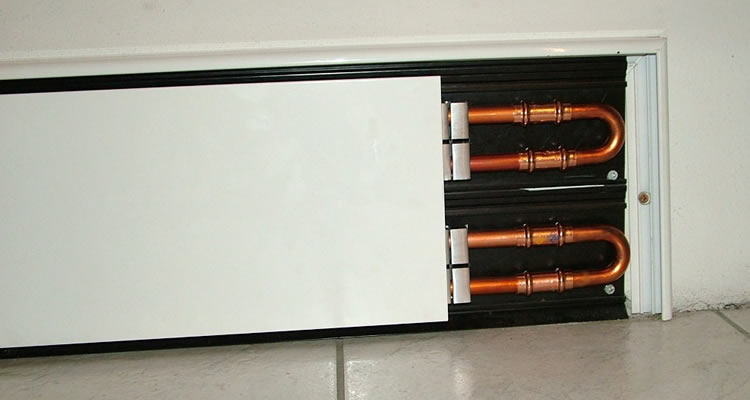
Home heating technology has come a long way over the years. From bulky radiators to sleek underfloor systems, homeowners increasingly seek solutions that blend efficiency with innovation. Enter heated skirting boards—a rising star in the world of energy-efficient home heating. Their heat output, versatility, and subtle aesthetic make them an appealing choice for modern homes aiming to minimize energy consumption while maximizing comfort.
What Are Heated Skirting Boards?
Heated skirting boards combine two essential functions into one unobtrusive design. By replacing traditional skirting boards, these innovations double as a heating system, warming your home efficiently while freeing up valuable wall space.
Using either electric or water-based heating systems, these boards emit radiant heat, distributing warmth evenly across a room. Unlike bulky radiators or some underfloor heating options, there is no delay in reaching optimal room temperature—heated skirting boards are designed for immediate and steady warmth.
According to recent studies, radiant heating (the technology most heated skirting boards rely on) can reduce energy consumption by 10-30% compared to conventional heating systems. This is because radiant heat warms objects and people directly, rather than simply increasing air temperature.
Why Are Heated Skirting Boards Trending?
Heated skirting boards have been gaining attention among eco-conscious and design-focused homeowners as a viable alternative to traditional heating options. Here’s what’s sparking this upward trend:
1. Energy Efficiency in Numbers
The shift toward energy-efficient systems couldn’t be more timely. Rising energy costs, coupled with enhanced awareness of environmental issues, have prompted people to explore innovative heating alternatives. Heated skirting boards play into this perfectly. Experts suggest that homes equipped with heated skirting boards can enjoy savings of up to 25% on energy bills due to their lower operating temperatures and reduced heat loss.
Additionally, compatibility with sustainable energy sources like solar panels or ground-source heat pumps makes them attractive for homeowners setting net-zero energy goals. When paired with renewable energy, heated skirting boards can significantly lower a home’s overall carbon footprint.
2. Space-Saving Solution
Traditional radiators, while effective, take up considerable space and limit furniture placement options. Heated skirting boards address this issue by functioning discreetly as part of a room’s architectural elements. Rooms not only feel warmer but also look sleeker, an important factor for individuals prioritizing minimalist and modern designs.
3. Consistent and Comfortable Heat Distribution
Unlike radiators, which often leave cold spots, heated skirting boards create even, wall-to-wall heat coverage. With a lower operating temperature, warm air circulates without overheating the room. This ensures a cozy indoor environment, avoiding temperature fluctuations common in older heating systems. A growing body of research also highlights the health benefits of consistent heating, such as reduced respiratory irritation caused by less dust circulation and dry air.
4. Low Maintenance and Durability
Recent surveys show that homeowners increasingly seek low-maintenance solutions. Heated skirting boards meet this demand. Once installed, they require minimal servicing compared to complex systems like underfloor heating, which might need costly repairs if something goes wrong.
Is This the Future of Home Heating?
The rise of heated skirting boards marks a turning point in the way we heat our homes. By creating an eco-friendly and cost-effective solution, this technology aligns with the growing desire to reduce energy use without sacrificing comfort.
Sales of heated skirting boards have steadily grown over the past five years, particularly in Europe, where energy efficiency remains a top priority. Market analysts predict that by 2028, demand for heated skirting boards will grow by a compound annual growth rate (CAGR) of 7%, fueled by advancements in lightweight materials and smart home integrations.
Smart tech integration, such as thermostatic control systems operated remotely or through voice assistants, adds an extra layer of convenience. For example, smart heated skirting allows users to adjust temperatures with precision and set schedules based on their daily routines—further optimizing energy consumption.
Leading the Charge in Heating Innovation
Heated skirting boards represent more than just a passing trend; they exemplify the next stage in home heating innovation. With energy efficiency, design flexibility, and sustainability at their core, they cater to the modern household’s evolving needs. Whether renovating an existing property or building your dream home, considering this cutting-edge solution could pave the way for a more sustainable future.

