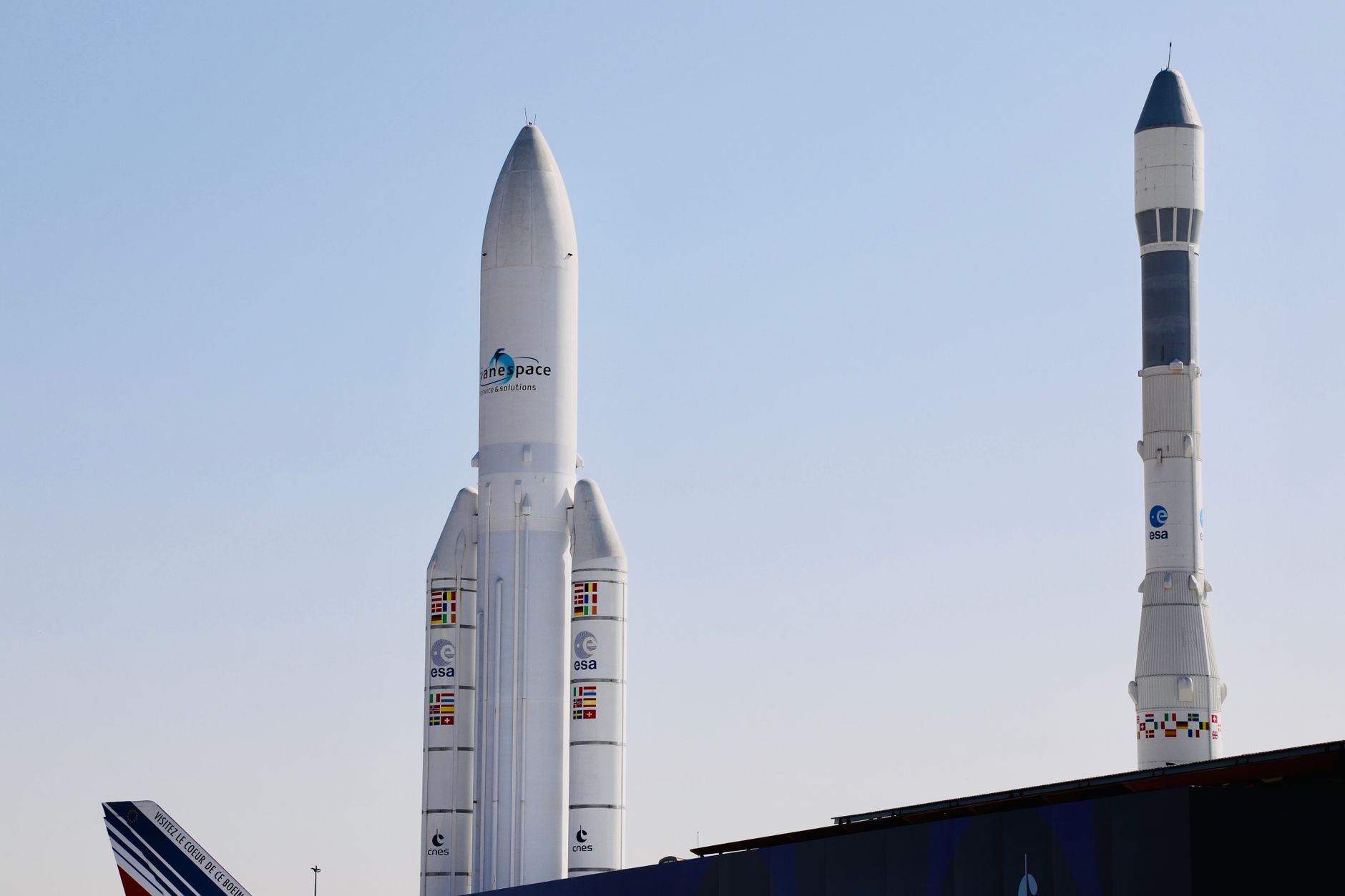
China satellite launch has successfully deployed nine satellites aboard the Gravity-1 rocket, showcasing the country’s advancing space technology.
Overview of the Launch
On a remarkable day for the aerospace community, China successfully executed a satellite launch, deploying nine new satellites from the Sea aboard the Gravity-1 rocket. This mission highlights China’s ongoing commitment to advancing its space capabilities and expanding its satellite network.
The launch took place from a coastal spaceport, showcasing the country’s innovative approach to utilizing sea-based launch platforms. The Gravity-1 rocket, designed for efficiency and reliability, performed flawlessly, demonstrating the technological advancements made by Chinese engineers.
This successful mission is not only a milestone for the Chinese space program but also contributes to global satellite networks, improving services such as communications, weather forecasting, and Earth observation.
As the world watches China’s growing prowess in space exploration, experts are keenly observing the implications of these developments. The recent satellite launch underscores China’s determination to play a significant role in the space race, positioning itself as a leader in satellite technology and research.
Significance of the Nine Satellites
The recent China satellite launch marks a significant milestone in the nation’s space exploration efforts. The deployment of nine new satellites enhances various sectors including telecommunications, Earth observation, and scientific research. Each satellite is designed to serve specific functions, contributing to China’s growing capabilities in space.
The significance of these satellites can be summarized as follows:
- Enhanced Communication: The new satellites will improve connectivity, enabling faster and more reliable communication networks across urban and rural areas.
- Earth Monitoring: With advanced imaging technology, the satellites will provide critical data for environmental monitoring, disaster management, and resource management.
- Scientific Research: These satellites will facilitate a range of scientific studies, enhancing our understanding of climate change and its impacts.
Overall, the success of the China satellite launch not only showcases technological advancements but also reinforces China’s position in the global space community. The implications of these satellites extend far beyond national borders, influencing global initiatives and collaborations.
Details about the Gravity-1 Rocket
The Gravity-1 rocket, which successfully launched nine satellites, represents a significant advancement in China’s space capabilities. Designed for rapid deployment, this rocket can deliver payloads to various orbits, enhancing the country’s ability to support a range of satellite missions.
Some key features of the Gravity-1 rocket include:
- Innovative Propulsion System: The rocket utilizes a cutting-edge propulsion system that allows for efficient fuel consumption and increased payload capacity.
- Modular Design: Its modular design enables quick assembly and reconfiguration for different mission profiles, making it adaptable for future launches.
- Launch Flexibility: Gravity-1 is capable of launching from various platforms, including land and sea, providing versatility in launch locations.
The successful deployment of the nine satellites further cements China’s position in the global space race and highlights the reliability of the Gravity-1 rocket for future satellite launches. This recent China satellite launch showcases the nation’s commitment to expanding its space exploration capabilities.
China’s Space Ambitions
China’s recent satellite launch marks a significant milestone in its ongoing space ambitions, highlighting the country’s commitment to expanding its capabilities in space exploration and technology. With the successful deployment of nine new satellites aboard the Gravity-1 rocket, China continues to assert its presence in the global space arena.
The launch is part of a broader strategy aimed at enhancing China’s satellite network, which plays a crucial role in various sectors, including communications, weather forecasting, and national security. These satellites will contribute to an improved understanding of climate patterns, offer better communication services, and support military operations.
As the nation invests heavily in its space program, the successful China satellite launch demonstrates the advancements in rocket technology and satellite design. With ongoing developments and future missions planned, China is poised to further solidify its position as a key player in the ever-evolving field of space exploration.
- Enhanced satellite network
- Improved communication services
- Contributions to climate research
International Reactions to the Launch
The recent China satellite launch has garnered significant international attention, with reactions flowing in from various countries and space agencies. Many experts have commended China’s advancements in satellite technology, noting the launch’s demonstration of the nation’s growing capabilities in space exploration.
Several nations have expressed interest in collaborating with China on future projects, highlighting the potential for shared technological advancements and research. Among the most notable reactions:
- United States: Officials acknowledged the importance of monitoring developments in China’s space program, stressing the need for transparency in satellite operations.
- European Space Agency: Representatives praised the successful launch, suggesting that it could lead to opportunities for joint missions in Earth observation technology.
- India: Indian space officials expressed admiration for China’s rapid progress, with some suggesting that healthy competition could benefit both nations’ space endeavors.
As nations react, the implications of the China satellite launch extend beyond national boundaries, potentially reshaping global partnerships in space exploration.
Future Plans for Satellite Deployments
China’s recent satellite launch marks a significant milestone, but it is just the beginning of an ambitious plan for future deployments. The nation aims to enhance its capabilities in space technology and expand its satellite constellation to support various applications.
Key focus areas for upcoming satellite launches include:
- Earth Observation: Developing satellites with advanced imaging technology to monitor environmental changes and natural disasters.
- Communication: Increasing bandwidth and connectivity through a network of communication satellites to support both domestic and global users.
- Scientific Research: Launching satellites dedicated to space exploration, astrophysics, and climate studies to contribute to global scientific knowledge.
- Military Applications: Strengthening national security through satellites designed for reconnaissance and tactical communication.
As China continues to advance its space initiatives, the focus will remain on ensuring that these satellite deployments are efficient and contribute to both national interests and international collaboration. The recent China satellite launch is a testament to the country’s growing prowess in space technology.
Technological Innovations in Space
The recent China satellite launch has showcased significant technological innovations that highlight the country’s advancements in space exploration. The successful deployment of nine satellites demonstrates not only China’s commitment to expanding its space capabilities but also its ability to integrate cutting-edge technology into its missions.
Among the innovations featured in this launch are:
- Improved Propulsion Systems: The Gravity-1 rocket is equipped with state-of-the-art propulsion technology, allowing for enhanced maneuverability and efficiency.
- Advanced Satellite Design: The new satellites incorporate miniaturized components and modular designs, which increase functionality while reducing overall weight.
- Innovative Communication Systems: Enhanced communication capabilities ensure better data transmission and connectivity with Earth, facilitating real-time monitoring and control.
- Autonomous Navigation: The satellites are designed with improved autonomous navigation features, enabling them to adjust their orbits with minimal human intervention.
These technological breakthroughs mark a significant milestone for China’s satellite launch program and set the stage for future advancements in space technology.
Challenges Faced in Space Exploration
Despite the recent success of the China satellite launch, several challenges persist in the realm of space exploration. These obstacles can significantly impact the pace and efficiency of satellite deployment and subsequent missions.
- Technical Challenges: Developing reliable technology for satellite construction and launch remains a top priority. Engineers must continuously innovate to overcome issues related to propulsion, communication, and durability.
- Environmental Factors: Launch conditions can be unpredictable. Weather-related challenges, such as high winds or storms, can delay launches and affect satellite performance once in orbit.
- International Regulations: As space becomes increasingly crowded, adhering to international norms and agreements is vital. Navigating these regulations can complicate launch schedules and operational plans.
- Funding and Resources: Securing adequate funding for ambitious space projects is crucial. Fluctuations in budget allocations can hinder research and development efforts.
As China continues to expand its space capabilities, addressing these challenges will be essential for future success in satellite launches and other space endeavors.
The recent China satellite launch marks a significant milestone in the country’s expanding space capabilities. With the successful deployment of nine new satellites, the China satellite launch demonstrates China’s commitment to advancing its technological prowess.
Photo by Léa Claisse on Pexels
Where this came from
Related reading
Pokémon TCG 30th Anniversary: Is Target’s Strict Policy Worth It? · US Military Space Weapons: Clear Insights on New Launches · Korea cluster mission: Is it the best space launch yet?