
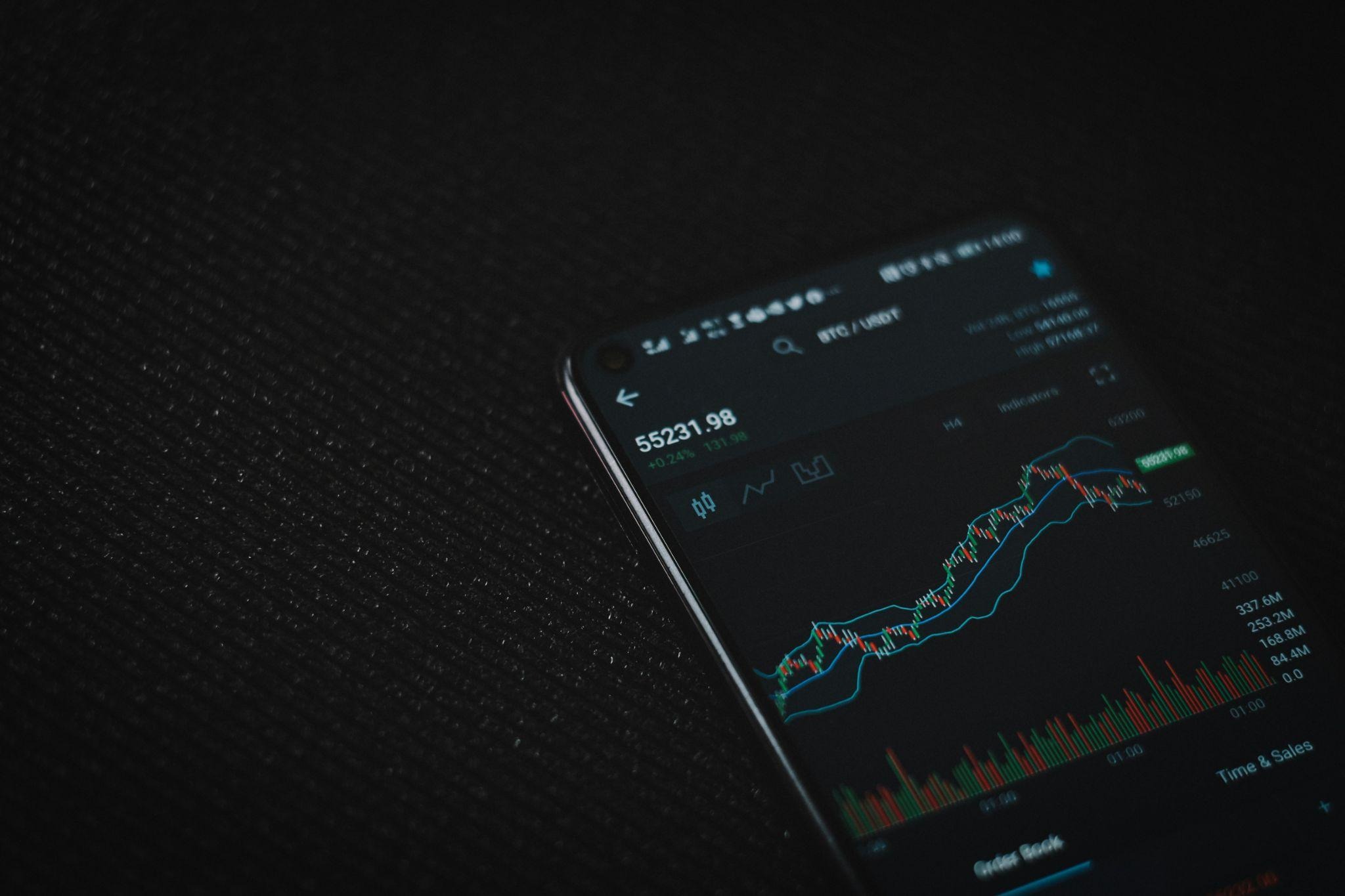
Commodity trading has evolved significantly with the rise of digital platforms, enabling traders to access global markets with greater speed, transparency, and efficiency. What used to be the preserve of traditional trading floors has evolved into a highly accessible, technology-driven environment where individuals and institutions can engage in real-time trading in diverse commodities.
The growth of online commodities trading has played a major role in this transformation, offering traders improved access to price movements, analytical tools, and global market opportunities. With enhanced digital infrastructure, traders can now analyze trends, manage risks, and execute trades more efficiently, making commodity markets more dynamic and accessible than ever before.
Expanding Opportunities in Modern Commodity Market Systems
Commodity markets have been altered drastically by the digital transformation, as it is more convenient, transparent, and efficient to exchange across the markets of the world. The developments have witnessed the further influx of new and old traders who seek to have their investment choices diversified.
- Enhancing Global Market Accessibility
The Internet trade allows traders to network with worldwide commodities from any place at any time. This breaks geographical boundaries and allows business people to take part in the global price changes easily and conveniently in real-time.
- Supporting Real-Time Price Monitoring
Live data feeds will help keep traders informed about the price changes of the commodities in real-time. This will ensure that the decision-making process becomes timely and more suited to the volatility in the market that is critical in the realization of the required outcomes of successful trading.
- Improving Analytical Trading Capabilities
High-level charting packages and technical analysis can assist traders in interpreting market trends. With his/her insight, the entry and exit points are determined, which augments the accuracy of the trading and the planning.
- Strengthening Risk Management Practices
The contemporary trading platforms have facilities to handle exposure and set stop losses, along with keeping an eye on the performance of a portfolio, hence enhancing control over trading risks and financial stability.
- Encouraging Diversified Investment Strategies
Traders can trade in different asset categories, such as metals, energy, and other commodities, through commodity trading websites, as a form of diversification to avoid being exposed to one type of asset and balance investment risk.
Advanced Trading Experience Through Online Commodities Trading
The increase in the necessity of digital trading platforms is a shift to more effective, flexible, and technology-oriented approaches to investing. The popularity of online commodities trading continues to grow as traders seek better tools, faster execution, and improved access to global commodity markets.
- Providing Seamless Digital Trading Access
Simplifying the Post-modern platforms by using user interfaces with which the traders can execute transactions without complex processes, simplified the trading and made it quicker and less complicated.
- Enabling Automated Trading Solutions
Algorithms give traders the ability to automate their strategies to conserve manpower and develop consistency in their strategies according to the market requirements.
- Enhancing Data-Driven Decision Making
Real-time analytics will provide traders with the ability to make informed decisions that are backed by real market data and performance indicators.
- Supporting Multi-Asset Trading Integration
Exchange specialists have the opportunity to trade in various commodities within one platform, enhance portfolio management, and ease inter-market trading.
- Strengthening Market Transparency and Trust
Digital systems enable easy openness on prices and execution of the trade to build credibility and precision of trading commodities in settings.
Technology Driving the Future of Commodity Trading
The functioning of the commodity market is still being transformed by technological advances, and trade is becoming more efficient and easily accessible. Such technological developments are augmenting speed, precision, and overall trading standards in the international market.
- Expanding AI-Based Market Analysis
Individual artificial intelligence tools can help in identifying market trends and predicting trends to help make smarter trading decisions.
- Increasing Mobile Trading Adoption
The mobile platforms allow the traders to monitor markets and trade at any time, increasing flexibility and ease.
- Enhancing Cloud-Based Trading Infrastructure
The cloud technology increases the stability of the platform, scalability, and real-time data processing capability.
- Strengthening Security and Data Protection
The encryption and security measures used offer a safe trading environment and security of important user information.
- Improving Execution Speed and Efficiency
Optimized systems can reduce the latency and enable faster processing of orders in a volatile market.
Evolving Trends in Commodity Trading Ecosystems
Commodity trade has never been stable but is continuously evolving and acquiring technological benefits, as well as straining and varying expectations of investors. These trends are shaping the future of global commodity markets.
- Growing Demand for Digital Trading Platforms
A growing number of merchants are shifting to online to be convenient, efficient, and time-saving.
- Expansion of Algorithmic Trading Systems
Automation is turning out to be extremely important as far as the rapid and accurate carrying out of trades is concerned.
- Increasing Focus on Sustainable Commodities
Environmental awareness is improving the trading decisions and market demand.
- Strengthening Cross-Border Market Participation
There can be a variety of exchanges of commodities between traders who are open to world markets.
- Enhancing Real-Time Market Intelligence
The complex analytics give more in-depth information about the price variations and the performance of the market.
Conclusion
The digital revolution has revolutionized the trading of commodities in a way that the markets have become more accessible, efficient, and transparent to trade on a global scale. With advanced technology, real-time news, and computer software, traders now have the opportunity to venture into global markets with greater competence and precision. The escalating need to allow commodities trading companies in India has been seen as an indication of the movement towards organized, technology-based trading ecosystems.
For traders looking to grow in fast-moving global markets, having the right platform support makes a significant difference in consistency and decision-making. Flow FX provides advanced trading solutions designed to support modern traders with reliable market access, analytical tools, and seamless execution capabilities. Through its commitment to innovation, performance, and user-focused trading infrastructure, they empower traders to navigate global commodity markets more efficiently and achieve long-term trading success.